

How Hilton Head Island Became one of the Lowcountry's Great Success Stories
Some places become popular because of what gets built. Hilton Head Island became extraordinary because of what wasn't built.
As Americans celebrate freedom every July, it's worth reflecting on another kind of freedom. The freedom to preserve what makes a place special. The freedom to plan for future generations instead of short-term gains. And the freedom to enjoy a community where towering live oaks, maritime forests, winding bike paths, and pristine beaches remain just as much a part of the landscape as beautiful homes.
Nearly 70 years after one visionary developer changed the course of Hilton Head Island's future, his philosophy continues to shape one of America's most successful real estate markets.
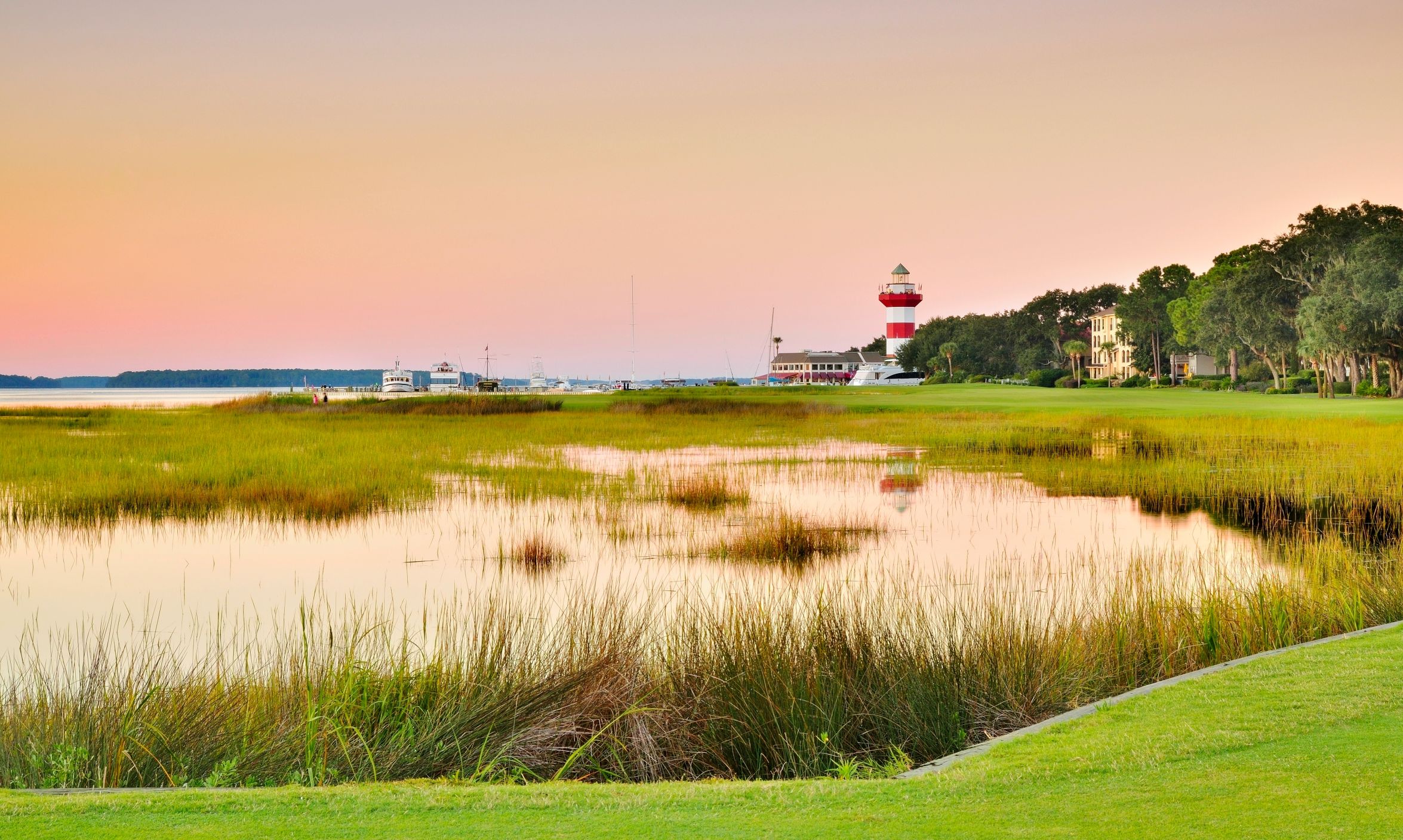
One Man's Vision Changed an Island
In the early 1950s, Hilton Head Island was a quiet barrier island known primarily for timber harvesting, small farming communities, and miles of untouched coastline. There were no world-famous golf courses, luxury resorts, or master-planned neighborhoods. In fact, the bridge connecting Hilton Head Island to the mainland wasn't completed until 1956.
That same year, Charles Fraser saw something others did not.
Rather than simply developing beachfront property, Fraser envisioned an entirely new way of living. He believed a community could grow while protecting the natural beauty that made it desirable in the first place. That vision became Sea Pines, one of the country's first environmentally planned communities and a model that would influence resort development around the world.
Building Around Nature Instead of Over It
Fraser's philosophy was remarkably forward-thinking for the 1950s.
Instead of clearing vast tracts of land, roads curved around ancient live oaks. Homes blended into the maritime forest. Buildings were intentionally kept below the tree canopy. Large areas of green space were preserved, and architectural standards were created to maintain harmony throughout the community.
His planning principles included:
- Preserve as many trees as possible.
- Design roads that complement the landscape.
- Keep development densities thoughtful.
- Protect open space.
- Enhance quality of life before maximizing development.
Today, those ideas may seem common, but at the time they were revolutionary.
The Blueprint That Others Followed
Sea Pines quickly became more than a successful community. It became the blueprint for modern master-planned development.
Communities such as Palmetto Dunes, Hilton Head Plantation, Shipyard, Port Royal, Long Cove, Wexford, Indigo Run, and others adopted many of the same planning principles, creating neighborhoods where homes exist in harmony with lagoons, golf courses, marshes, and maritime forests.
The result is something visitors notice almost immediately.
Unlike many coastal destinations, commercial development doesn't dominate the landscape. Instead, tree-lined roads, protected wetlands, scenic pathways, and carefully designed neighborhoods define the experience of living on Hilton Head Island.
Preservation Has Become One of Hilton Head's Greatest Assets
Environmental stewardship didn't end with the first neighborhoods.
The island has continued to prioritize conservation through protected beaches, maritime forests, wildlife habitats, bike paths, parks, and open space. The Sea Pines Forest Preserve, formally dedicated in the early 1970s, remains one of the island's most treasured natural areas and reflects the Fraser family's long-term commitment to protecting Hilton Head's unique ecosystem.
That commitment has helped preserve something increasingly difficult to find along America's coastline: authenticity.
National Recognition Didn't Happen by Accident
Over the decades, Hilton Head Island has earned national and international recognition for its beaches, golf, tennis, outdoor recreation, environmental planning, and exceptional quality of life.
Its influence extends beyond tourism. Urban planners, landscape architects, and developers continue to study the island as an example of thoughtful, sustainable community design. Sea Pines itself is recognized as a historically significant planned landscape, reflecting its lasting impact on community planning.
That reputation continues to attract:
- Luxury homebuyers
- Second-home owners
- Retirees
- Remote professionals
- Families seeking a coastal lifestyle
- Investors looking for long-term value
Why Property Values Continue to Hold Their Strength
While no real estate market is immune to changing economic conditions, Hilton Head Island has demonstrated remarkable resilience over the decades.
Several factors continue to support long-term property values:
Limited Land Supply
As a barrier island, Hilton Head has a finite amount of developable land. Unlike inland communities that can continually expand, inventory remains naturally constrained.
Protected Natural Beauty
The very features that attracted buyers decades ago continue to attract them today. Mature tree canopies, preserved marshes, beaches, lagoons, and bike trails cannot be replicated overnight.
Strong Lifestyle Demand
People aren't simply buying a house. They're investing in a lifestyle centered around outdoor recreation, golf, boating, tennis, dining, and coastal living.
Thoughtful Community Planning
Architectural standards, landscaping requirements, and careful development practices have helped maintain the island's character across generations.
Together, these factors help explain why Hilton Head Island remains one of the Southeast's most desirable coastal real estate markets.
Freedom Means Protecting What Matters
Perhaps the greatest lesson from Hilton Head Island's story is that progress and preservation do not have to compete.
Charles Fraser believed that development should enhance the environment rather than replace it. Nearly seven decades later, that philosophy continues to define the island's identity and its enduring appeal.
Every shaded bike path, preserved marsh, winding road beneath a canopy of live oaks, and thoughtfully planned neighborhood reflects a long-term vision that has stood the test of time.
As we celebrate America's independence this July, it's also worth celebrating the visionaries who understood that some of our greatest freedoms come from protecting the places we love.
For nearly 40 years, Charter One Realty has helped buyers and sellers experience everything that makes Hilton Head Island and the Lowcountry exceptional. From historic Sea Pines to luxury waterfront communities and championship golf neighborhoods, our local expertise helps clients understand not only today's market, but the history and planning principles that continue to make this one of America's most enduring real estate success stories.
Posted by Paige Rose on
Leave A Comment